










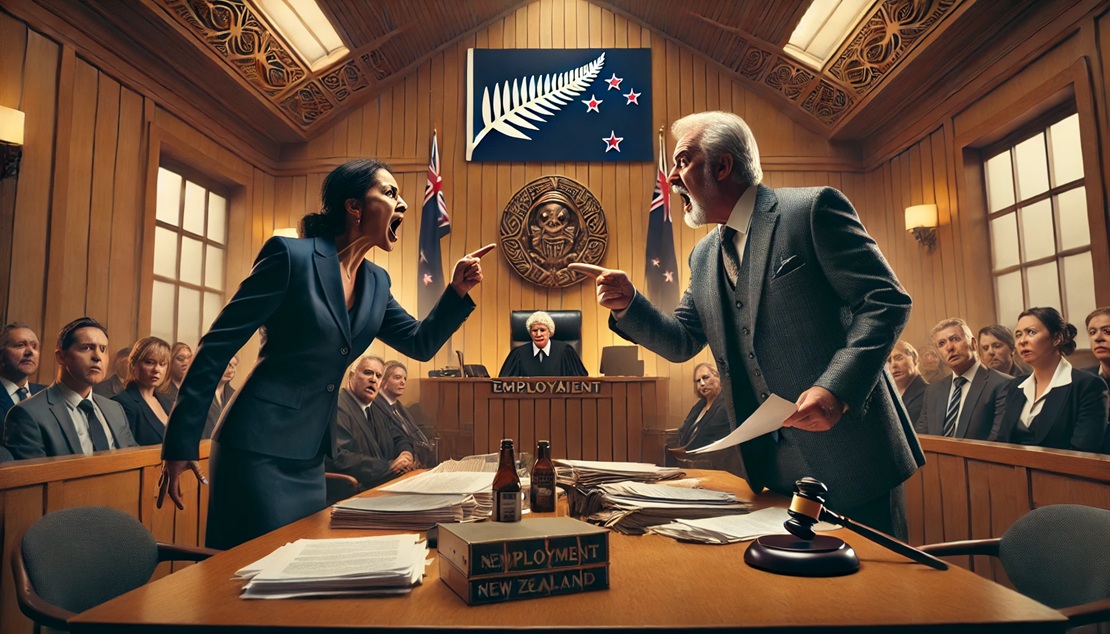







A record-based response to commentary about Joyce v Ultimate Siteworks, Menzies v Corrigan and employment advocates, separating what the judgments actually decided from disputed characterisations and matters that remain unresolved.
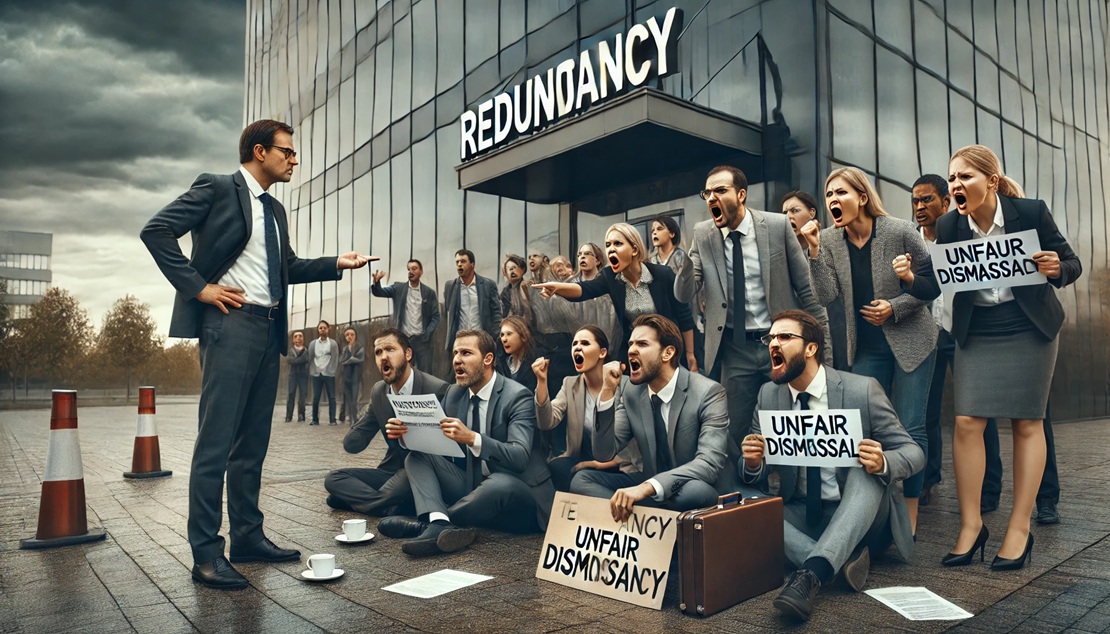
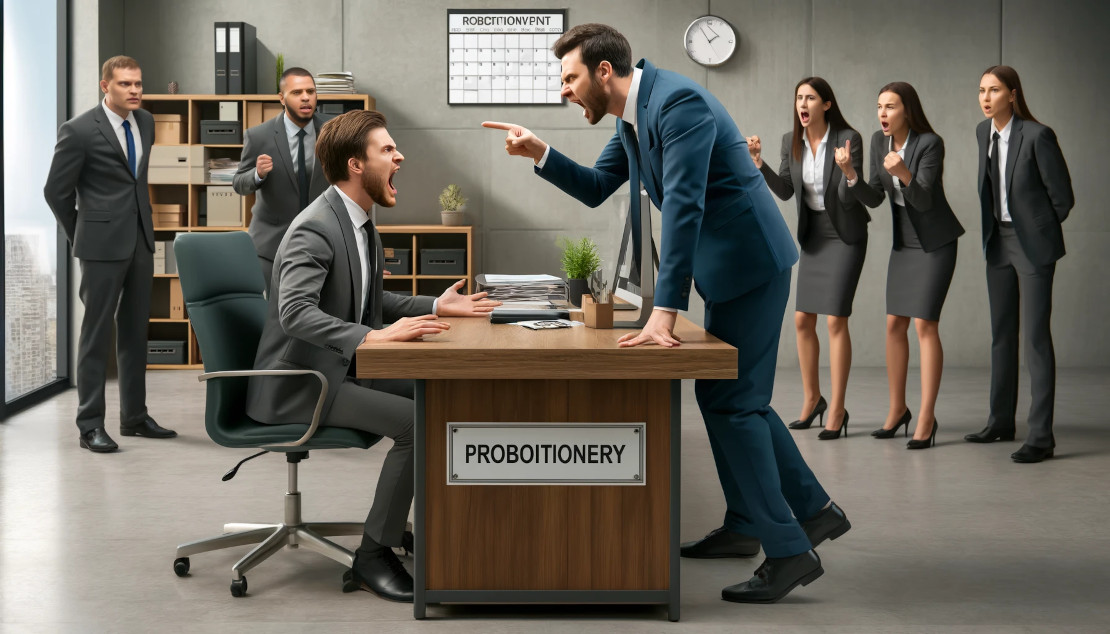
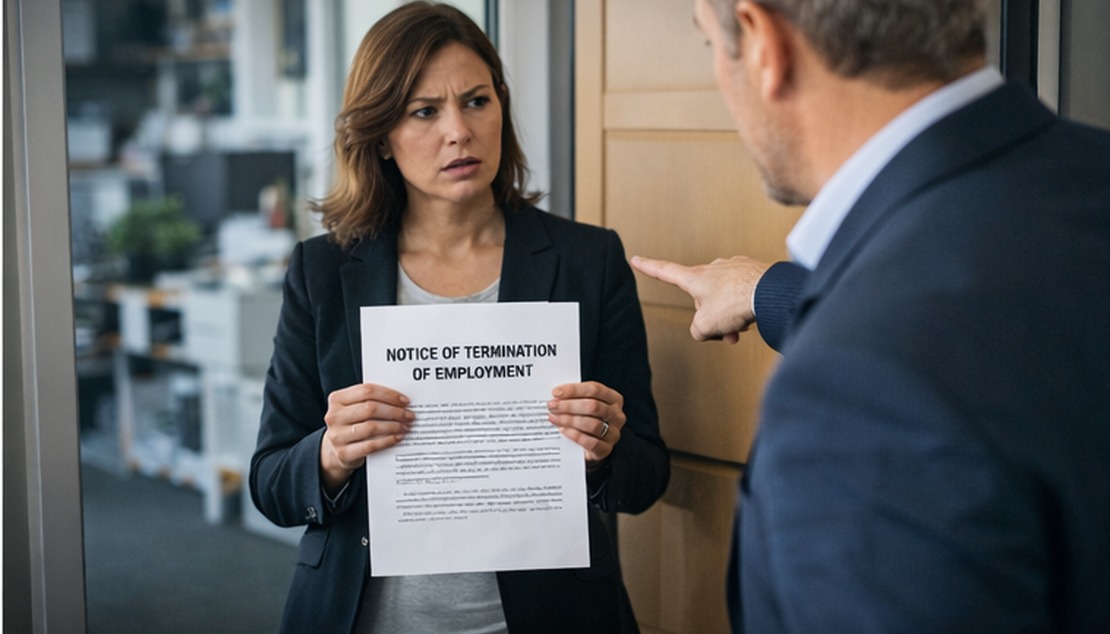
Dismissed, made redundant, pushed to resign, dismissed under a 90-day trial or otherwise treated unfairly at work? Start with the issue below, check the time limits, and work from the actual documents and evidence.
A record-based response to commentary about Joyce v Ultimate Siteworks, Menzies v Corrigan and employment advocates, separating what the judgments actually decided from disputed characterisations and matters that remain unresolved.
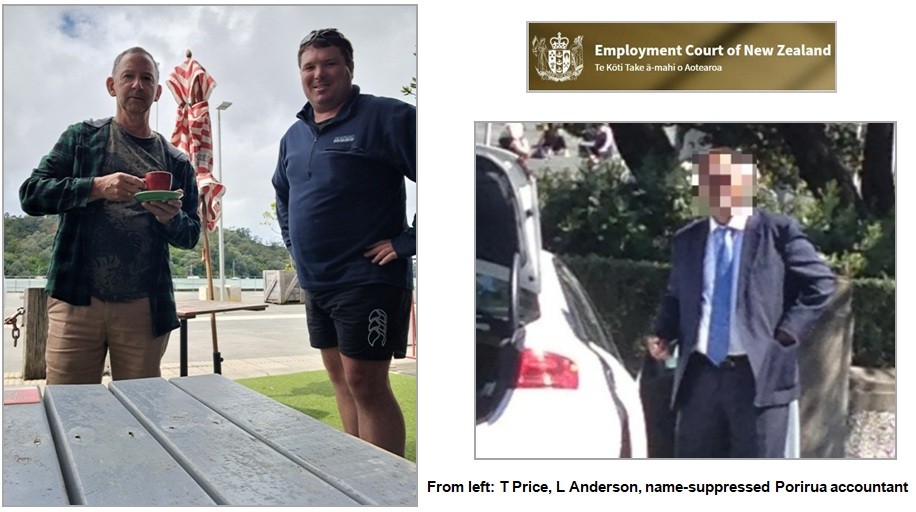
This article examines how disputed accounting material in Menzies v Corrigan moved from a liquidator's reference to 'excessive drawings' into evidence used in proceedings seeking personal compliance orders against a company director. It also traces later disclosure issues involving material routed through Catherine Stewart Barrister's office.
A critique of the Employers and Manufacturers Association case for new regulation of employment advocates, focusing on whether the publicly identified evidence demonstrates widespread advocate-specific consumer harm.
Employment Court procedural failures are sometimes attributed to non-lawyer advocates, but this article examines reported examples showing that competence and compliance problems can also arise with lawyers and represented parties.
An example of MBIE employment mediation incorporating tikanga and karakia in a way the participants experienced as constructive, while keeping the mediation focused on resolving the employment dispute.
After a settlement recorded under s 149, Shearing NZ resisted compliance with payment obligations and pursued confidentiality-related penalties against Ms Mackey and allegations that her advocate had aided or procured a breach. The dispute therefore combined enforcement of the settlement with an attempted expansion of liability to the employee's representative.
When workplace suspension is justified, the consultation and contractual issues employers should consider, and how an unnecessary or unfair suspension can become a separate unjustified-disadvantage grievance.
Recurring factual and procedural mistakes seen in ERA disputes, including poor records, unclear allegations, rushed dismissals, weak redundancy consultation and failures to prove loss or mitigation.