















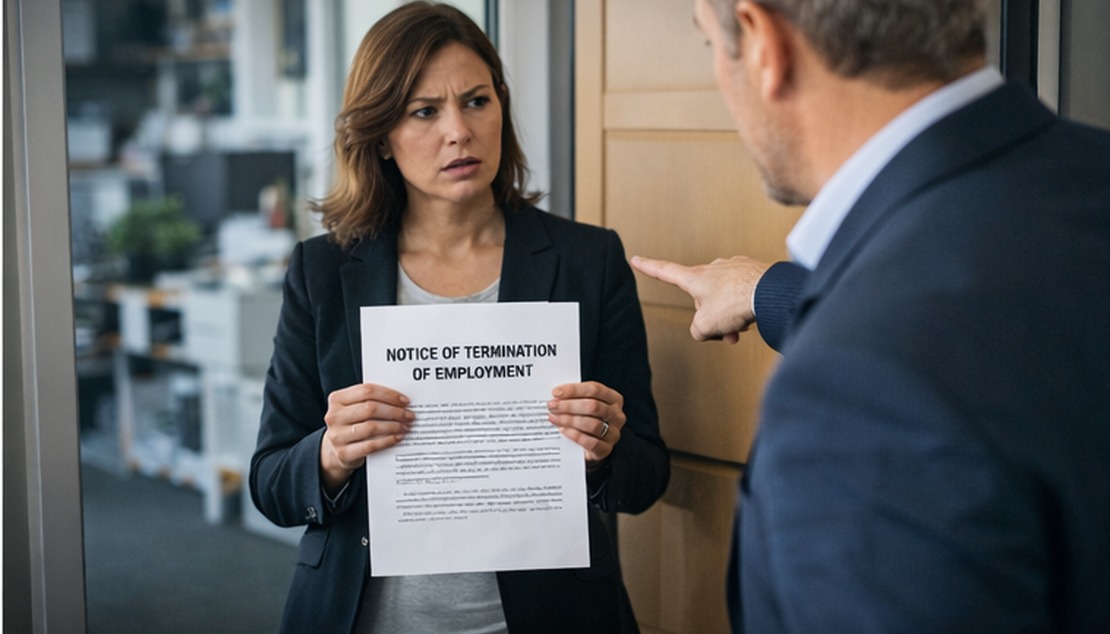







A step-by-step explanation of MBIE employment mediation from referral and preparation through opening positions, caucus negotiations, settlement drafting and what happens if no agreement is reached.
Dismissed, made redundant, pushed to resign, dismissed under a 90-day trial or otherwise treated unfairly at work? Start with the issue below, check the time limits, and work from the actual documents and evidence.
A step-by-step explanation of MBIE employment mediation from referral and preparation through opening positions, caucus negotiations, settlement drafting and what happens if no agreement is reached.
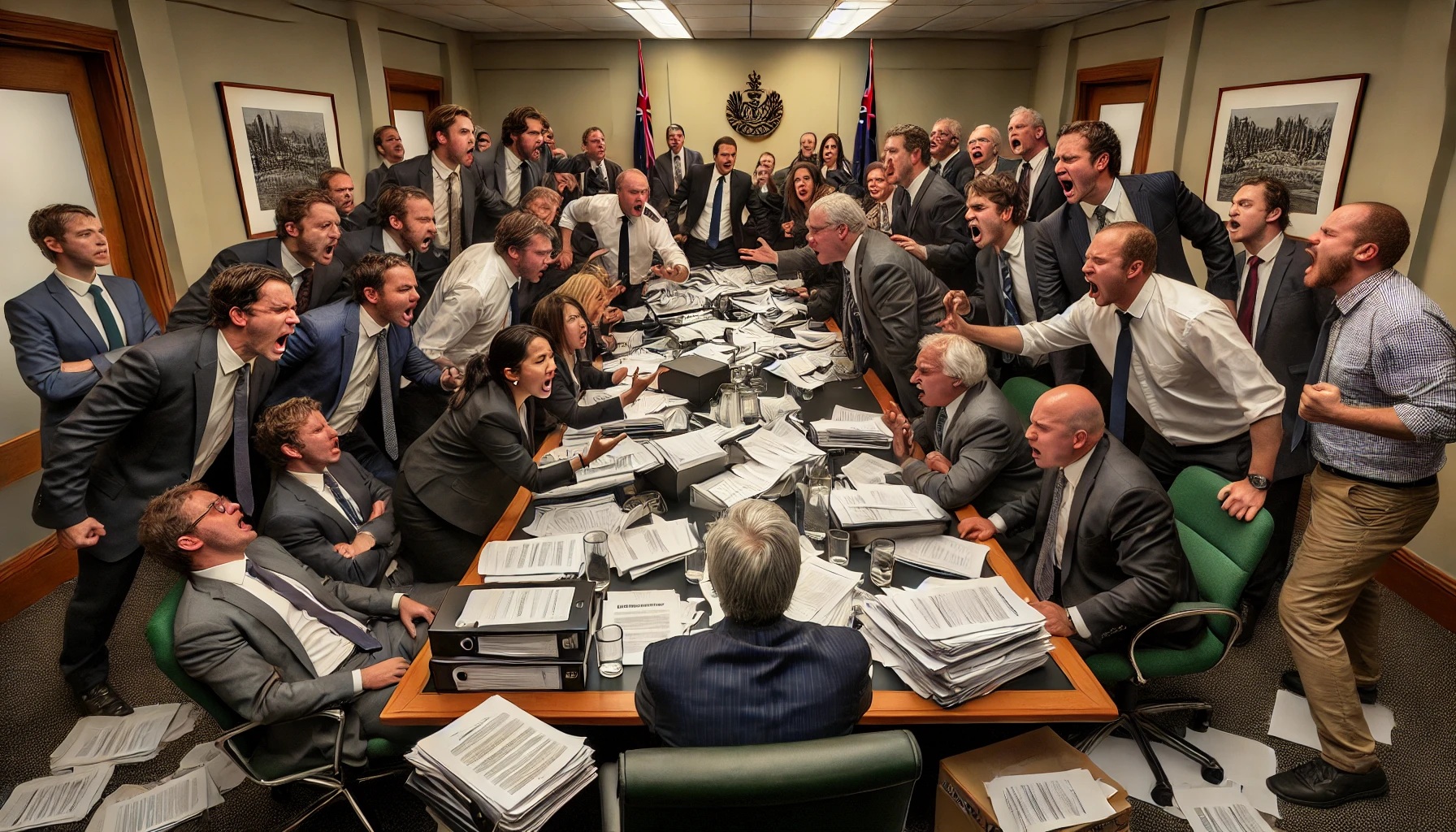
What employees should expect at MBIE employment mediation: the mediator's role, joint and private sessions, preparation, negotiation and how a settlement becomes binding.

How a mediated Record of Settlement works under s 149, including signatures, remote execution, mediator certification, enforceability and the need to understand the terms before they become final.

A practical explanation of the statutory duty of good faith in s 4 of the Employment Relations Act, including active and constructive conduct, responsiveness, communication and disclosure before adverse decisions.
Ahead of the 2026 election, Labour and Opportunity were asked to state their positions on the recent Employment Relations Act changes, including contribution, remedies and employee access to justice.
Mere Broughton was dismissed by The Whanau Ora Community Clinic after 106 days of employment under an agreement containing a probation provision. The case concerned whether the employer could treat probation as permitting dismissal without the ordinary justification and fair-process requirements.
Top Produce and Bhatia raise a Full Court question about whether New Zealand's Wages Protection Act can reach an employment premium paid outside New Zealand before or in connection with employment here.
![Menzies v Corrigan [2026] NZEmpC 151 - late challenge refused, substantive issues remain unresolved](/Blog/articles/Employment_Law_News_Opinion/menzies-v-corrigan-2026-court-151/4eddf0_9083d25fdcfa42f192e1d1c26ebdb0a8~mv2.jpg)
Mr Menzies sought to challenge an ERA compliance outcome arising from remedies originally ordered against a company that later entered liquidation. The background raised disputed accounting, disclosure, separate-legal-personality and recovery issues, but the challenge itself was filed substantially out of time.