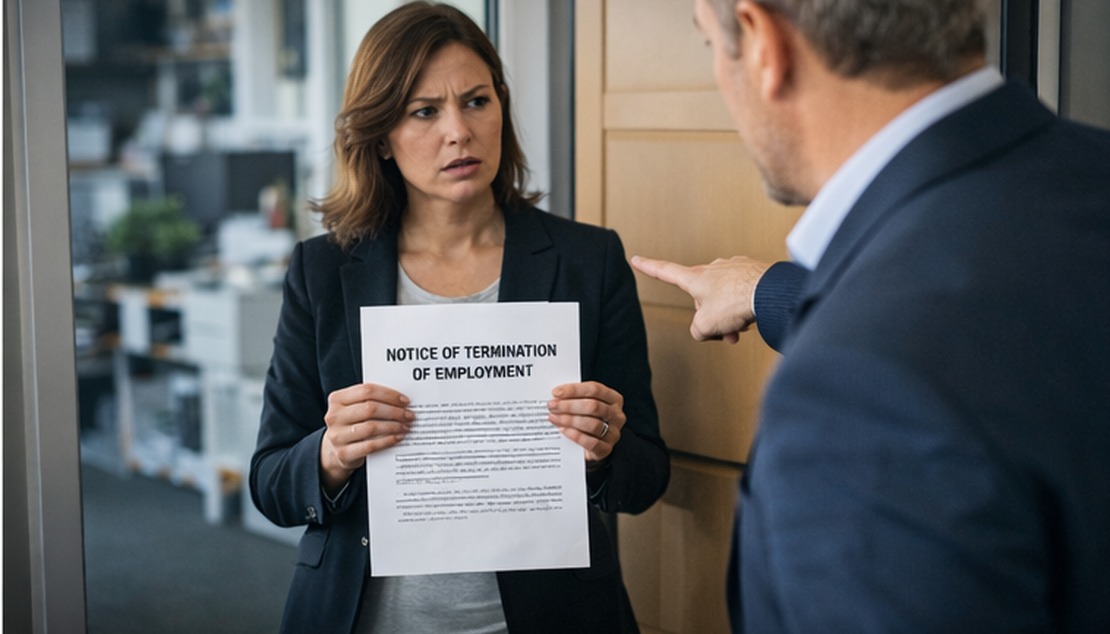

How an unfair or involuntary dismissal can affect a WINZ stand-down and why evidence of a personal grievance may be relevant when asking MSD to reconsider a non-entitlement period.
Search Employment Law
Search New Zealand employment-law guides, ERA determinations, Employment Court decisions and topics.
Search tips
- Use quotes for exact phrases, eg "unfair dismissal".
- Use +word to require, -word to exclude, eg +redundancy -trial.
- Use OR to broaden, eg dismissal OR redundancy.
Results for unfair dismissal
When a genuine business restructure can still result in an unjustified redundancy dismissal because consultation, disclosure, selection, redeployment or the final decision was not fair and reasonable.
New Zealand unfair dismissal (unjustified dismissal) case summaries from the Employment Relations Authority (ERA), explaining key facts, outcomes, and lessons for employees and employers.
Constructive dismissal claims arise when an employee resigns because of sufficiently serious employer conduct. This guide explains the legal tests, evidence to preserve, and why resigning too quickly can weaken a good case.
Casual workers can still be dismissed during a period of engagement, and disputes often turn on whether the relationship was genuinely casual or had become regular, ongoing employment.
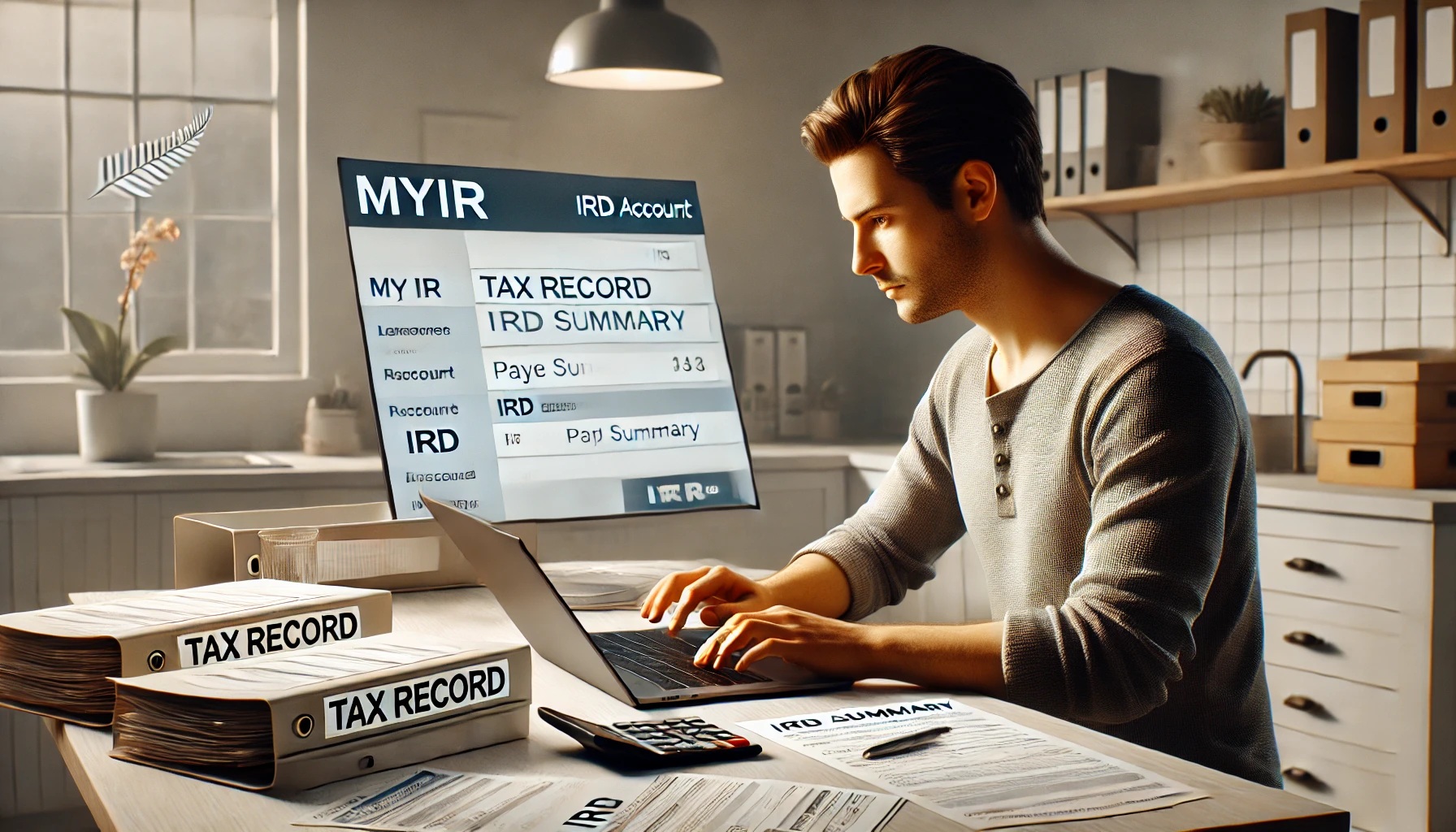
How to obtain and use myIR income records as independent evidence of pre- and post-dismissal earnings when calculating wage arrears and lost-remuneration claims.
An unjustified dismissal is a Personal Grievance claim. The central question is whether the employer's actions, and how the employer acted, were what a fair and reasonable employer could have done in all the circumstances.
A practical guide to New Zealand 90-day trial dismissals: when the clause is valid, the start date and notice requirements, and the mistakes that can leave an employer exposed to a personal grievance.