A practical guide to New Zealand 90-day trial dismissals: when the clause is valid, the start date and notice requirements, and the mistakes that can leave an employer exposed to a personal grievance.
Search Employment Law
Search New Zealand employment-law guides, ERA determinations, Employment Court decisions and topics.
Search tips
- Use quotes for exact phrases, eg "unfair dismissal".
- Use +word to require, -word to exclude, eg +redundancy -trial.
- Use OR to broaden, eg dismissal OR redundancy.
Results for trial period dismissal
Employer checklist for using a 90-day trial period: drafting the clause, signing before work starts, calculating the period, giving termination notice and avoiding defects that can revive a personal grievance.
The difference between a probationary period and a statutory 90-day trial, and the fair process an employer must still follow before dismissing an employee on probation.
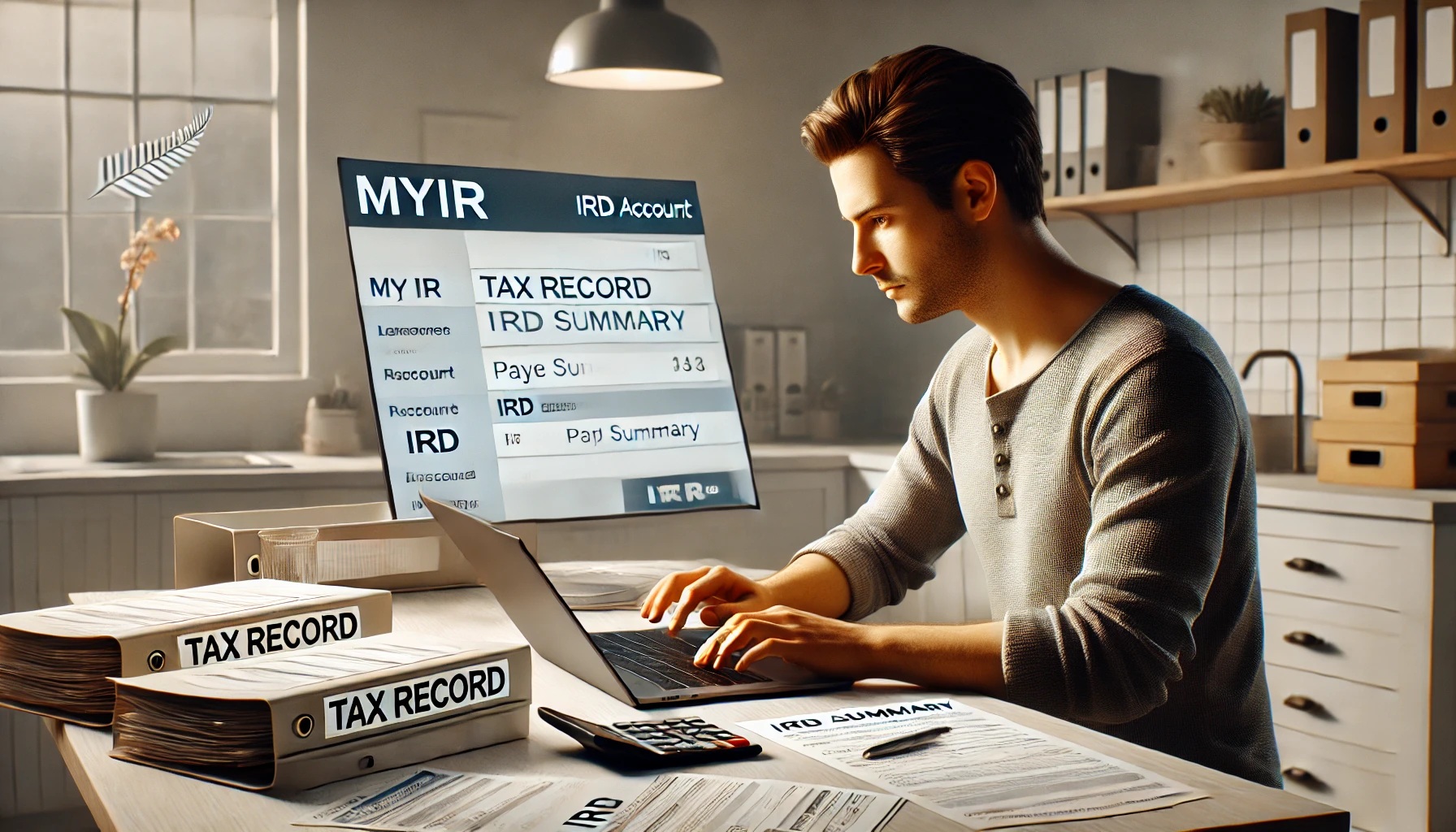
How to obtain and use myIR income records as independent evidence of pre- and post-dismissal earnings when calculating wage arrears and lost-remuneration claims.
Casual workers can still be dismissed during a period of engagement, and disputes often turn on whether the relationship was genuinely casual or had become regular, ongoing employment.
A practical employer guide to misconduct, warnings and dismissal: allegation letters, meetings, decision-making, proportionality and the procedural requirements in s 103A.
How an unfair or involuntary dismissal can affect a WINZ stand-down and why evidence of a personal grievance may be relevant when asking MSD to reconsider a non-entitlement period.
A consolidated guide to the Employment Relations Amendment Act 2026: commencement dates, changes to personal-grievance remedies and contribution, and the transitional question of which law applies to a particular dispute.