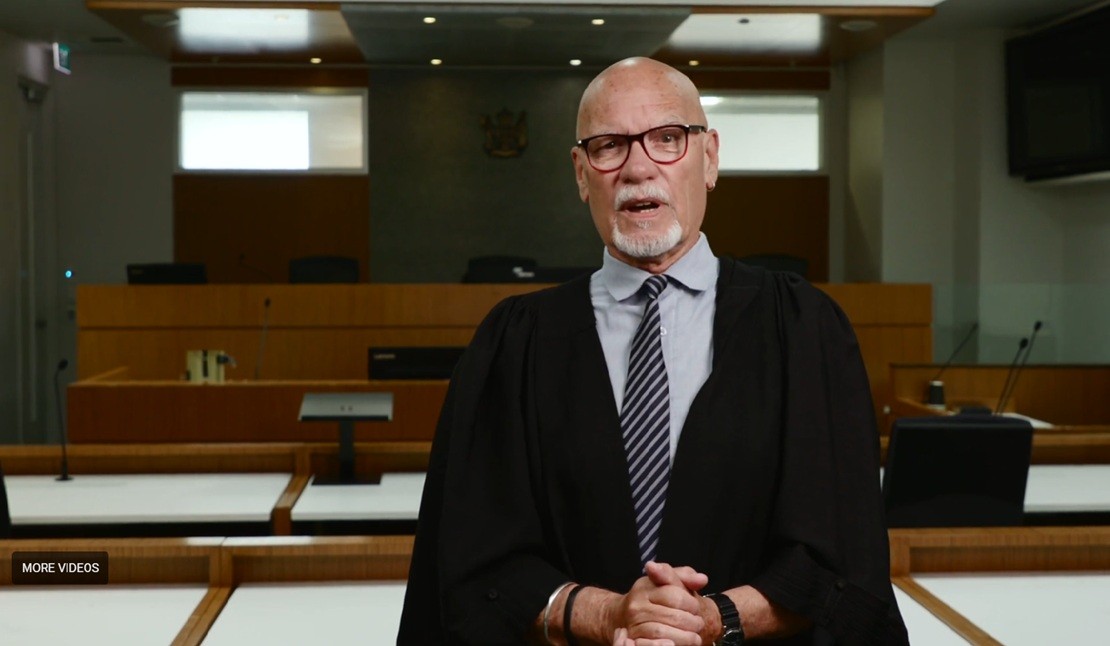
What the New Zealand Employment Court does, how a de novo challenge differs from an ERA investigation, key procedural stages and what parties should expect when preparing for a hearing.
Search Employment Law
Search New Zealand employment-law guides, ERA determinations, Employment Court decisions and topics.
Search tips
- Use quotes for exact phrases, eg "unfair dismissal".
- Use +word to require, -word to exclude, eg +redundancy -trial.
- Use OR to broaden, eg dismissal OR redundancy.
Results for unjustified dismissal
Commentary on National's proposal to remove or restrict no-win-no-fee employment arrangements and the likely access-to-justice consequences for employees who cannot fund representation upfront.
What an employer should do after receiving a personal grievance: do not concede or retaliate, preserve records, identify the legal claims and deadlines, and assess whether mediation or a defended response is appropriate.
What a fair workplace investigation looks like in New Zealand: clear allegations, relevant evidence, impartial fact-finding, disclosure, a meaningful response opportunity and rational conclusions.
What workplace bullying means in New Zealand, the difference between repeated unreasonable behaviour and ordinary conflict or performance management, and the evidence and legal options available to an affected employee.
Employer-side help for personal grievances, disciplinary problems, redundancy, mediation and ERA claims, with an emphasis on fixing process risks early and preserving evidence before positions harden.
Employer checklist for using a 90-day trial period: drafting the clause, signing before work starts, calculating the period, giving termination notice and avoiding defects that can revive a personal grievance.
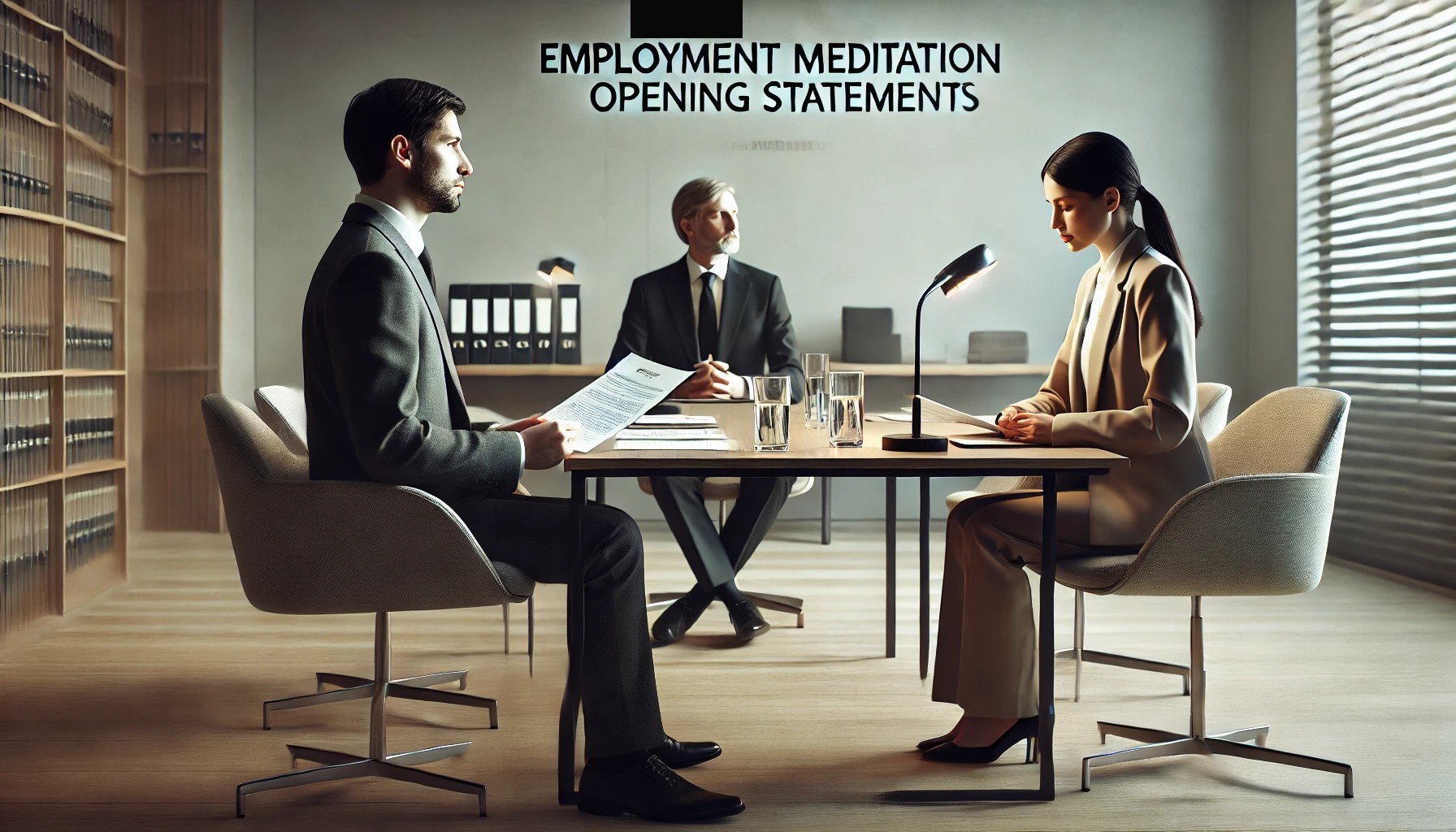
How to prepare a concise opening statement for employment mediation that explains the chronology, the grievance, the legal position and the outcome sought without turning the opening into evidence-by-speech.