
ClickCease

Results for ERA

Showing 33-40 of 74 results
Constructive dismissal: when resignation becomes an unfair dismissal personal grievance

Constructive dismissal claims arise when an employee resigns because of sufficiently serious employer conduct. This guide explains the legal tests, evidence to preserve, and why resigning too quickly can weaken a good case.

Matched passage: If settlement is not achieved because of the employer's refusal to negotiate, we then take the case further to the Employment Relations Authority (the ERA).

Casual employment dismissal: when casuals can still claim unfair dismissal

Casual workers can still be dismissed during a period of engagement, and disputes often turn on whether the relationship was genuinely casual or had become regular, ongoing employment.

Matched passage: The Employment Relations Authority and Employment Court have the power to determine the real nature of an employment relationship.
90-day trial dismissal: when you can still raise an unfair dismissal personal grievance

A practical guide to New Zealand 90-day trial dismissals: when the clause is valid, the start date and notice requirements, and the mistakes that can leave an employer exposed to a personal grievance.

Matched passage: Not a "new employee" - a trial period generally cannot be used if the employee has previously worked for the employer.
Resignation letter: how to write it safely for a constructive dismissal case

Two resignation-letter approaches are explained: an ordinary amicable resignation and a resignation that records the employer conduct relied on for a possible constructive-dismissal grievance.

Matched passage: Employee Case Form Read more Constructive dismissal - do not resign Unfair dismissal Employment mediation Employment Relations Authority (ERA)
Evidence for unjustified dismissal personal grievance claims: what to collect

Evidence checklist for an unjustified-dismissal or personal-grievance case: agreements, letters, texts, meeting records, rosters, pay evidence, medical material, job-search records and a reliable chronology.

Matched passage: Employee Case Form Read more Recording conversations at work Employment mediation Employment Relations Authority (ERA)
How "no win, no fee" works in employment disputes: fees, risks, and exit clauses

How no-win-no-fee employment advocacy works in practice: what counts as success, success fees, disbursements, settlement choices and the clauses clients should examine before signing.

Matched passage: ... all evidence, submissions and write about it in detail in their written decisions, the ERA Members are not required to do those things); the ERA is not administered by the Ministry of Justice, more so, it is the Ministry of Business, Innovation and Employment that runs the ...
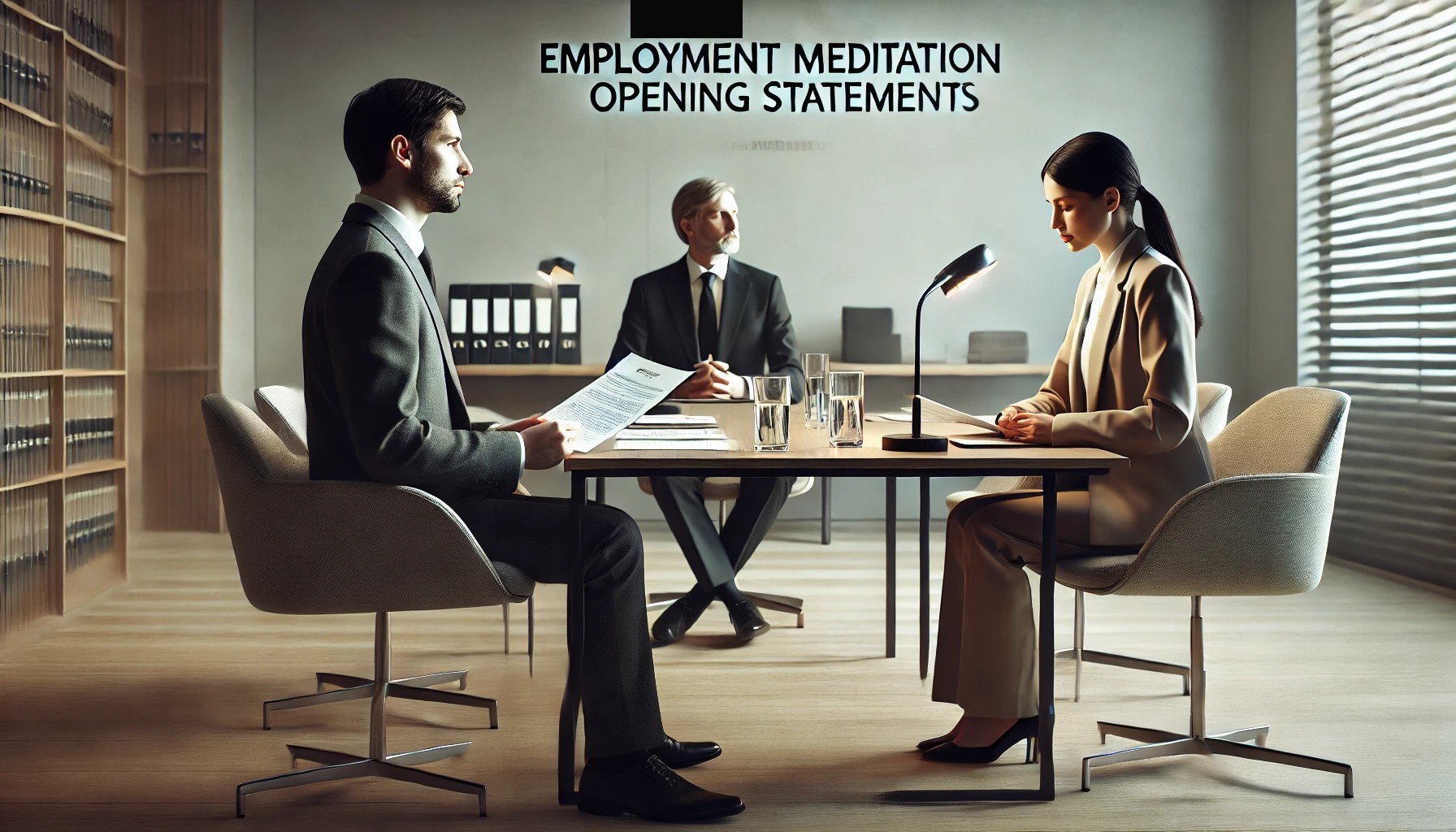
MBIE mediation opening statement: template and key points

How to prepare a concise opening statement for employment mediation that explains the chronology, the grievance, the legal position and the outcome sought without turning the opening into evidence-by-speech.

Matched passage: Done properly, it can resolve a Personal Grievance (PG) quickly, confidentially, and on terms you control - without waiting months for an ERA hearing.
MBIE employment mediation: what to expect and how to prepare

What employees should expect at MBIE employment mediation: the mediator's role, joint and private sessions, preparation, negotiation and how a settlement becomes binding.

Matched passage: If an agreement cannot be reached then we follow the dispute resolution process which involves seeking a decision from the Employment Relations Authority.

Browse topics