














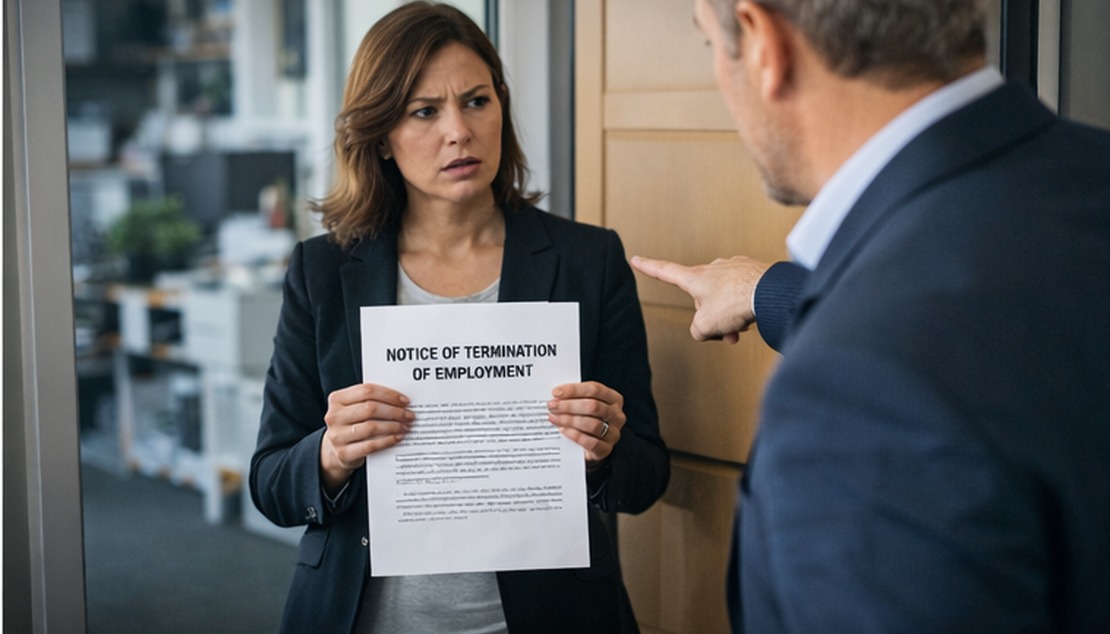






Recruit IT Group made Mr Knox's consultant role redundant shortly before another staff member was promoted into a consultant position. Mr Knox argued the redundancy rationale, consultation timeframe and claimed lack of redeployment options did not withstand scrutiny.
Employment Law New Zealand
Dismissed, made redundant, pushed to resign, dismissed under a 90-day trial or otherwise treated unfairly at work? Start with the issue below, check the time limits, and work from the actual documents and evidence.
Browse topics
Search employment law guides and cases
Browse articles
ADO was selected for redundancy by the Joan Fernie Charitable Trust Board after workplace conduct concerns and an argument had arisen. The ERA examined whether redundancy was genuinely driven by commercial considerations and whether redeployment, including a proposed trial in the Stock Manager role, was fairly considered.
Jacob Maarschalk was contracted for 25 hours a week but was regularly rostered for substantially more at West Auckland Trust Services. The dispute concerned later roster changes and a final written warning, including whether he was given a fair opportunity to comment before those decisions affected his employment.
Bridget Addy had already obtained an unjustified-dismissal determination and costs against Auckland Steam 'N' Dry and Graeme Stephens. When the ordered sums were not paid on time, she returned to the ERA seeking a compliance order and related relief.
Tihei Kereopa-Rerekura's employment at Cruz Bar ended while Covid isolation requirements were affecting work. The employer relied on redundancy, but the ERA examined whether there was a genuine redundancy and whether any fair consultation process occurred before the employment ended.
Brad Capper's short employment with CJS Construction ended in a dismissal that the employer did not attempt to justify under a 90-day trial clause. The case turned on dismissal fairness, his own contribution and whether he had proved efforts to mitigate lost wages.
Mere Broughton was dismissed after 106 days at The Whanau Ora Community Clinic. Her agreement contained a probation clause, and the dispute centred on the employer's attempt to use that clause as a shortcut to termination rather than carrying out a substantively justified and fair process.
Auckland Steam 'N' Dry raised performance concerns with Bridget Addy by text and threatened that she would not make it through a supposed three-month trial, although her agreement contained no trial clause. She resigned in response.
