














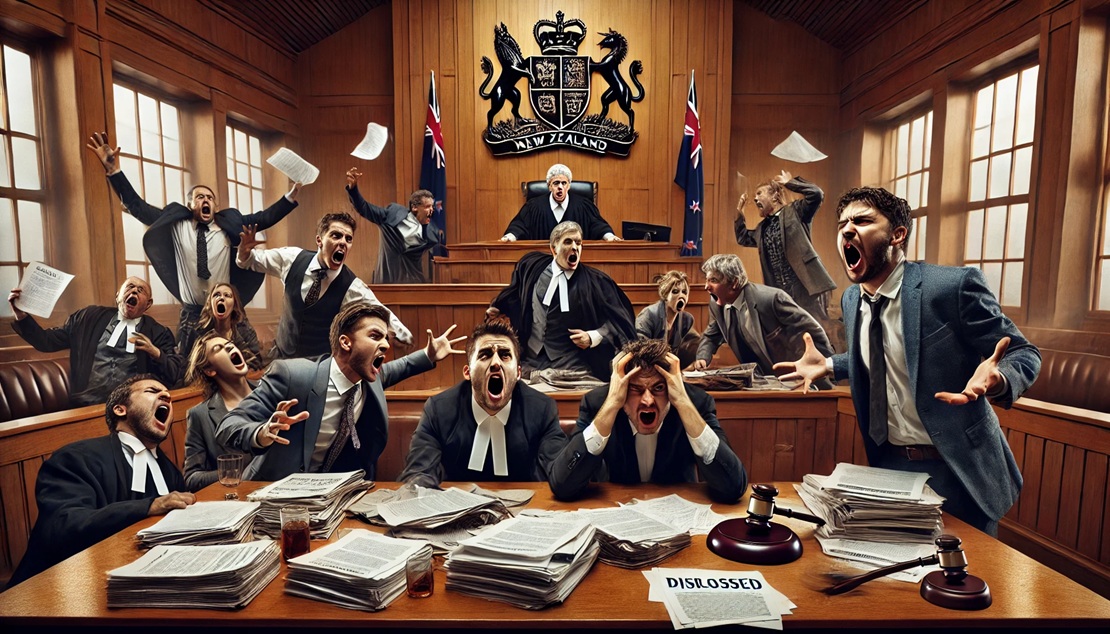


Ms Moke faced complaints and an external investigation while employed by Raukura Hauora O Tainui Trust. The case examined the fairness of the investigation, disciplinary steps and the Trust's eventual preliminary and final conclusions, including whether tikanga and kaupapa-based processes altered the statutory fairness requirements.
Employment Law New Zealand
Dismissed, made redundant, pushed to resign, dismissed under a 90-day trial or otherwise treated unfairly at work? Start with the issue below, check the time limits, and work from the actual documents and evidence.
Browse topics
Search employment law guides and cases
Browse articles
BlueLagoon ended Mr Ormsby's employment by Messenger after the employer said it could no longer afford to pay him. The case also involved unpaid wages, holiday pay and KiwiSaver obligations alongside the dismissal grievance.
Expert Moving dismissed Mr Uerata without meeting the minimum procedural requirements in s 103A or its good-faith consultation obligations. The dispute also involved unpaid amounts and the hours he had been working before termination.
Cooper No 1 sold its business and told Ms Piacun her employment was ending, without paying a notice period. The ERA considered whether the sale itself ended employment or whether Cooper had taken the initiative to terminate her contract.
Modern Auto Repair said Mr Nair resigned after a heated argument; Nair alleged he was dismissed and also pursued wage and holiday-pay issues. The ERA had to resolve conflicting evidence about how the employment ended and what money remained owing.
Mr Chen worked in a construction arrangement where the identity of the employer and the true nature of the relationship were disputed. Evidence at the ERA included inconsistent accounts about when Construst was first mentioned and the parties agreed the amount of lost remuneration if employment was established.
A care worker with 21 years' service was summarily dismissed after a resident incident, principally for not calling an ambulance. The ERA examined whether the employer judged her conduct with hindsight and fairly considered what she actually knew, her explanations and gaps in workplace policies and practice.
Buci described Ms Jury as casual despite a long pattern of regular shifts. When her hours were cut and the restaurant later insisted she sign a casual agreement before continuing to work, she claimed unjustified disadvantage and constructive dismissal.
