














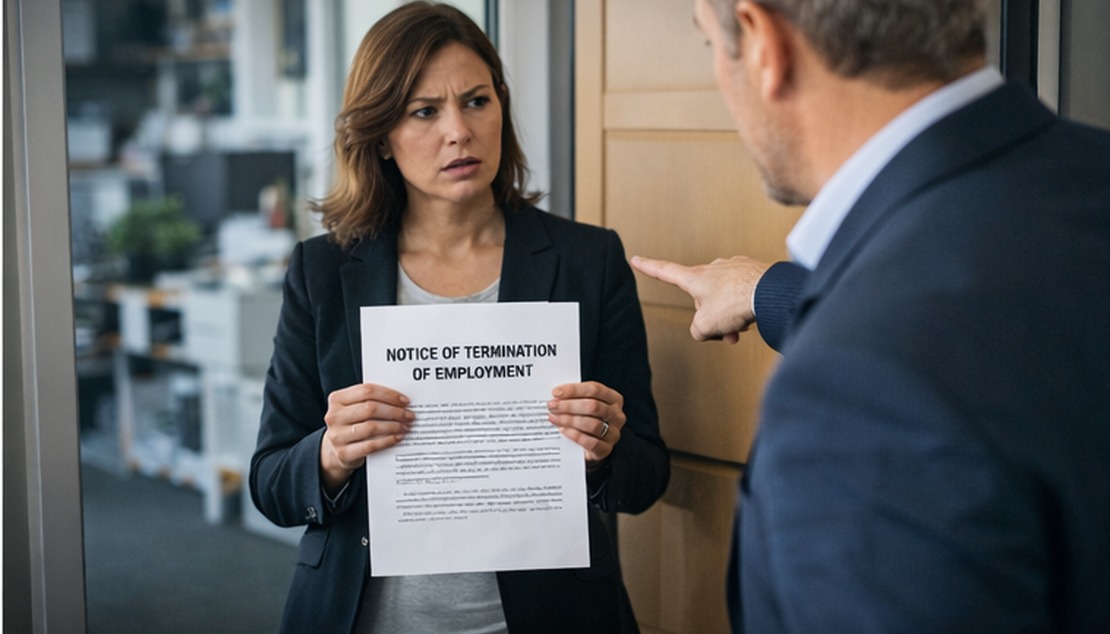






Qi Sun was an apprentice builder with Keene Construction when he queried an unpaid $300 apprenticeship-cost payment. The director then texted that there would not be a company and told him not to bother coming to work, creating a dispute about whether those messages amounted to dismissal.
Employment Law New Zealand
Dismissed, made redundant, pushed to resign, dismissed under a 90-day trial or otherwise treated unfairly at work? Start with the issue below, check the time limits, and work from the actual documents and evidence.
Browse topics
Search employment law guides and cases
Browse articles
Farm assistant Blue Hunt's employment ended after a cowshed dispute with Lance Wakelin. The case required the ERA to determine who the employer was, whether Mr Hunt had been dismissed and whether any fair process or substantive reason justified the termination.
Sukhmanpreet Singh's dispute with JIT arose after he was pressed to submit an annual-leave request and a confrontation followed. JIT then cancelled his shifts on claimed mental-stress grounds and later dismissed him for serious misconduct, while the ERA examined the conduct of both sides.
Electrician Brent Colyer was investigated and given a written warning by New Zealand Aluminium Smelters after a gantry-crane incident involving another employee. He later resigned, alleging both unjustified disadvantage from the disciplinary process and constructive dismissal.
Lita Beattie worked as Head Chef/Kitchen Manager in a relationship the respondent treated inconsistently and left with significant wage arrears. The ERA had to determine employee status, unpaid entitlements and whether employer conduct forced her resignation.
Sidney Yu and Jing Tham were engaged by Queenstown Nursery for temporary plant work and were later selected to stop working, with the employer relying on weather and alleged comparative inefficiency. The case concerned whether the casual or short-assignment characterisation justified ending their work without a fair process.
Tasman Rugby Union dismissed chief executive Steven Mitchell after an organisational review became intertwined with later misconduct allegations. He sought interim reinstatement, arguing the process appeared predetermined and that his substantive dismissal grievance had real strength.
Amanda Bradley challenged FENZ's handling of her eligibility for FireSuper and the way information about that benefit was communicated after she took a newly created regional training-management role. The case focused on whether misleading or inadequate communication caused an employment disadvantage.
