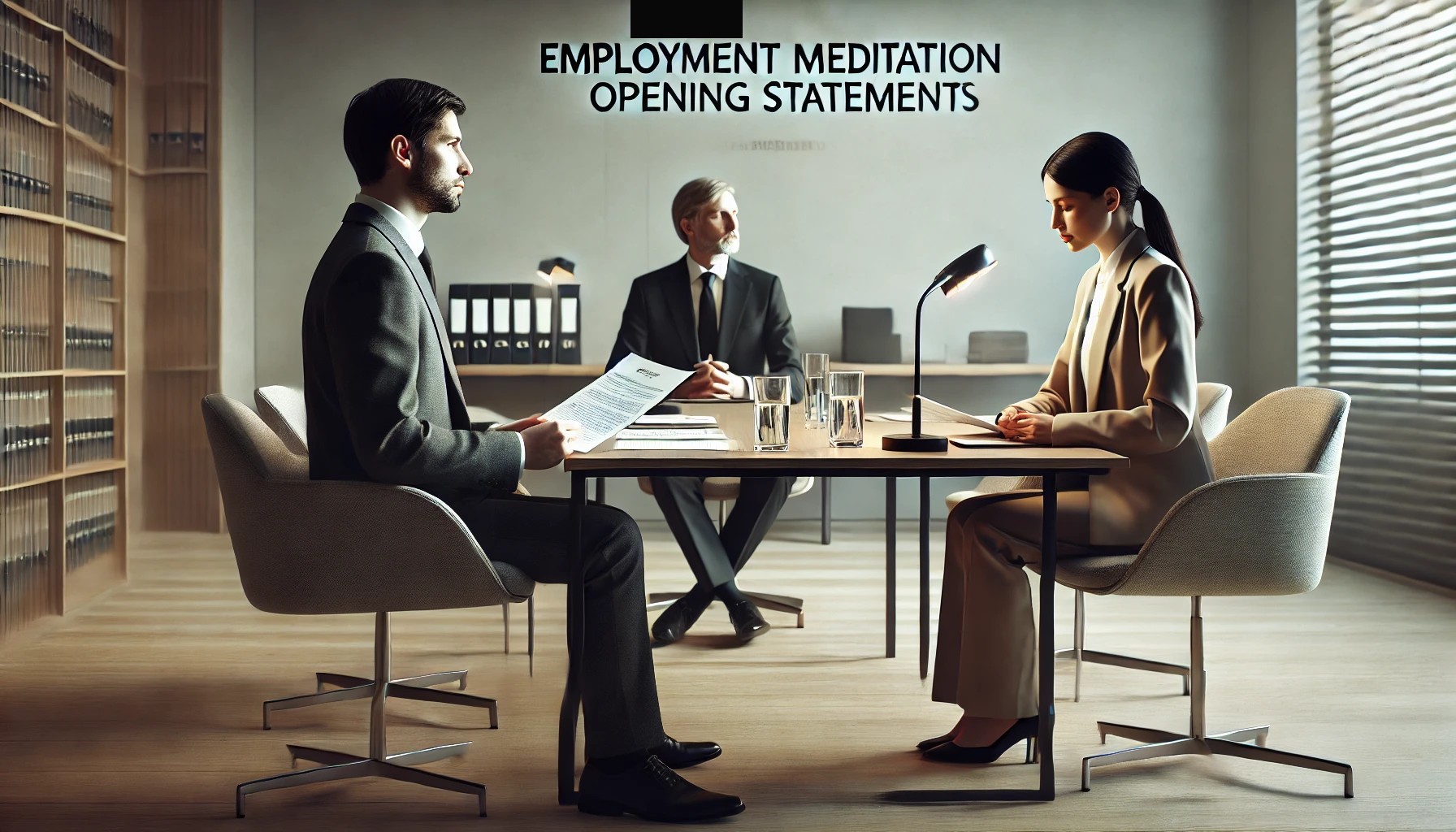
MBIE mediation, tikanga and karakia: a constructive process example
At an MBIE employment mediation I raised a request about karakia. There was initially a difference of view about how the request would be handled. I referred to MBIE's own mediator competency framework, which expressly addresses tikanga, te reo and karakia. The issue was ultimately resolved constructively: the mediator agreed to learn and deliver an appropriate karakia for the mediation.
What MBIE's mediator competency framework says
MBIE's mediator competency framework expects mediators to understand the cultural context in which mediation takes place. It refers to legal, tikanga, cultural and ethical obligations; appropriate use and pronunciation of te reo; mihi and mihimihi; and opening and closing karakia. At an extended competency level it also contemplates participation in waiata and delivery of appropriate karakia in meeting settings.
That matters because tikanga and karakia are not foreign to the mediation framework. MBIE itself identifies them as part of the knowledge and capability a mediator may need in a New Zealand setting. Referring back to that framework gave the discussion an objective basis rather than leaving it as a disagreement about personal preference.
What I did
I raised the issue because I considered the requested karakia appropriate to the process. When there was initial resistance or uncertainty, I did not leave the point at a bare disagreement. I went to MBIE's own published framework and relied on the standards MBIE had set for its mediators.
The useful part of the story is what happened next. The mediator reconsidered the position, agreed to learn an appropriate karakia and agreed to deliver it on the day. I regard that as a constructive response. My purpose in retaining this article is not to embarrass an individual mediator; it is to show that participants can raise process and cultural-competency issues firmly, support the point by reference to the applicable framework, and obtain a better process as a result.
Why this matters in employment mediation
Mediation works best when participants have confidence in the process. Cultural competence, respect and appropriate meeting protocol can be part of creating that confidence. A representative's job is not only to argue about money or legal liability. It can also include identifying process issues that affect whether a client can participate meaningfully and whether the mediation is conducted in a way consistent with the service's own standards.
The lesson I take from this experience is positive: if there is a genuine process concern, raise it clearly, explain why it matters, and point to the relevant standard. A mediator being prepared to reconsider an initial position and adapt is a strength of the process, not a weakness.
A note about mediation confidentiality
This article does not identify the parties to the underlying employment dispute and does not publish their bargaining positions, offers, admissions or settlement discussions. It is confined to a general process issue and MBIE's publicly available competency framework. Questions about the legal boundaries of mediation confidentiality can be fact-specific, so this article should not be treated as advice that any particular mediation communication can safely be published.
MBIE Mediator Competency Framework
The framework is useful reading for representatives and participants because it sets out what MBIE itself regards as mediator capability, including communication, process management, tikanga and cultural competence.
My view
I was right to raise the issue and to support it by reference to MBIE's own framework. Just as importantly, the mediator ultimately responded constructively. The outcome reinforced my view that representatives should be prepared to raise legitimate process concerns firmly but with a practical objective: improve the process for the people who are actually there to resolve an employment dispute.