
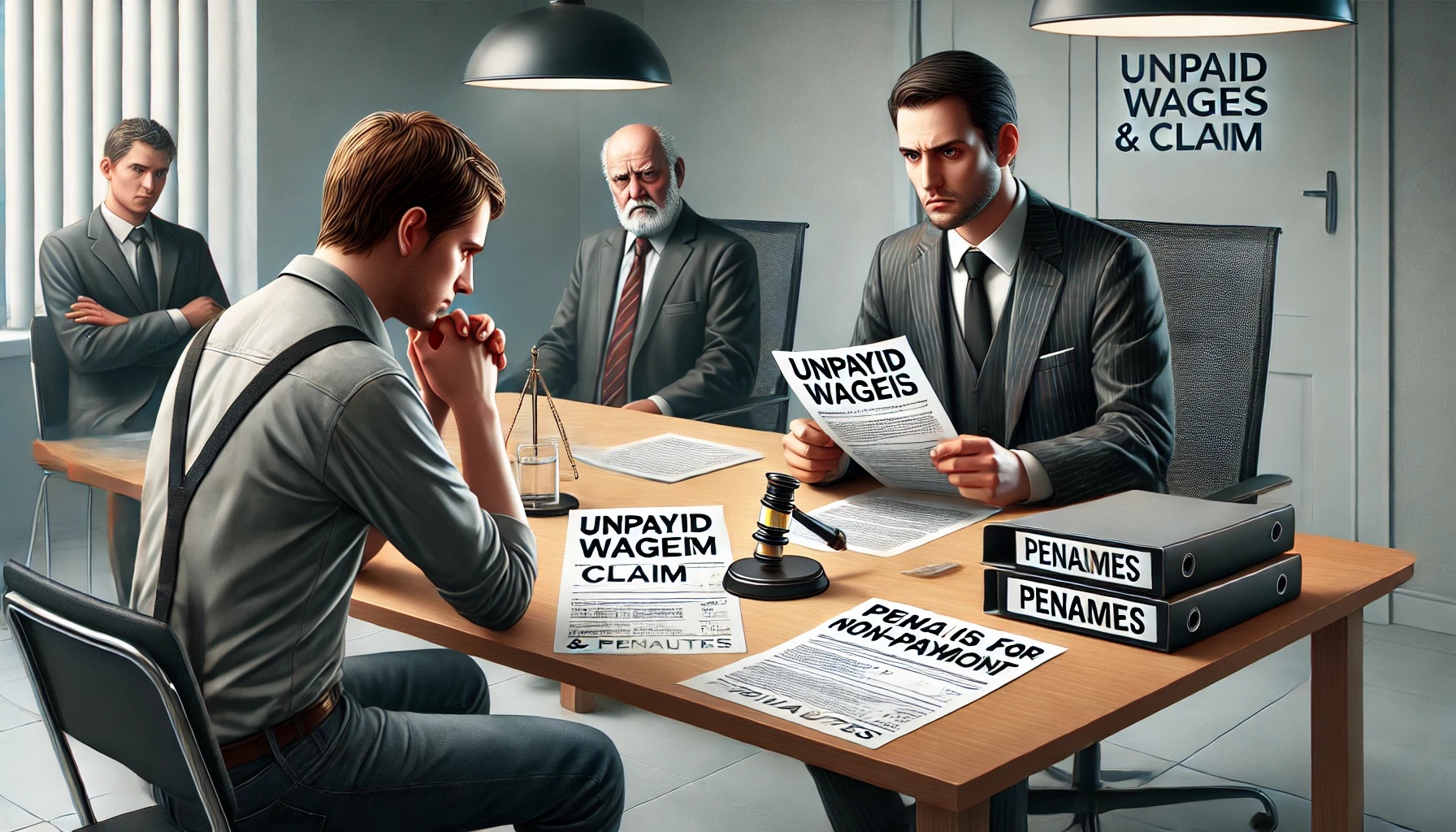
Unpaid-wage disputes can produce both arrears and penalties. This guide explains wage and time records, deliberate or repeated breaches, and why cashflow pressure does not remove minimum-employment obligations.
Employer employment law help for Personal Grievance responses, disciplinary process, redundancy, MBIE mediation, ERA claims, settlement strategy and Employment Court risk.
Received a Personal Grievance, facing a disciplinary issue, restructuring, investigation, mediation or ERA claim? Start with the problem below and deal with the process before the decision is locked in.
Employer disputes are usually decided by what was known, what was put to the employee, the documents relied on, the employee's response, the reasons for the decision, and whether the process was fair. A legitimate concern can still become an expensive dispute if an investigation, consultation, suspension, warning, or dismissal is rushed.
Use this hub for Personal Grievance responses, disciplinary and performance matters, suspension, redundancy, mediation, ERA defence, and related employer-side issues. If the decision has not yet been made, that is usually the best time to check the documents and process.
The first response matters. A poor or emotional response can create admissions, narrow the employer's later defence, or make the employer look unreasonable. A disciplined response can stabilise the dispute and improve the chance of early resolution. See our specific guide on Personal Grievance response for employers NZ, and our older practical article on responding to a Personal Grievance.
Employers often create the problem before the employee raises a formal claim. The danger point is usually the moment the employer moves from suspicion or frustration to a final decision. Before that happens, the employer should check whether the employee has been told the allegations, given the relevant information, allowed a real opportunity to respond, and had that response genuinely considered.
For more targeted guidance, read the pages on dismissal and disciplinary process for employers, disciplinary investigations for employers, and redundancy advice for employers.
Most employment disputes resolve through negotiation or MBIE mediation. If they do not, they may proceed to the Employment Relations Authority and, in some cases, the Employment Court. Employers need a coherent position early: what happened, what documents prove it, what risk exists, what settlement range is commercially sensible, and what result justifies the cost of continuing.
We help employers prepare a defensible paper trail, present the evidence coherently, and manage risk at each stage. The key is to know whether the real battleground is misconduct, redundancy, wages, an investigation defect, medical incapacity, bullying allegations, consultation, or the employer's own communications.
A common employer shock is that even when the employer wins in the ERA, recovering actual legal spend from the employee is usually limited. For example, one employer incurred an invoice of $35,396.14 and the costs award was $6,500. Read more about employer ERA costs and what you can really recover.
That reality should inform strategy. Employers should consider settlement early, use realistic offers, preserve Calderbank arguments where appropriate, and avoid spending more on the fight than the dispute justifies.
Settlement terms matter. In practice, parties can agree and record in an s 149 settlement that the employer pays a defined contribution to advocacy costs directly, supported by a GST invoice, rather than paying a lump sum to the employee and hoping it is passed on. Read our page on s 150A payments and GST invoices at settlement.
Some older employer pages still matter because they target specific recurring problems. These include workplace investigations and investigators, penalties for unpaid wages, Federated Farmers employment contract disputes, and unreasonable employment lawyer costs.
Unpaid-wage disputes can produce both arrears and penalties. This guide explains wage and time records, deliberate or repeated breaches, and why cashflow pressure does not remove minimum-employment obligations.

How Covid-19 wage-subsidy arrangements interacted with wages, hours, leave and restructuring, and why subsidy support did not itself authorise employers to reduce contractual or statutory entitlements.
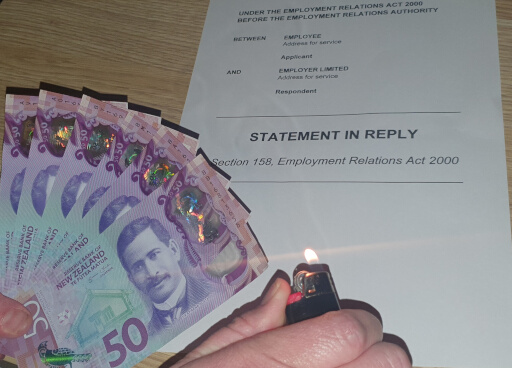
What an employer can realistically recover in ERA costs after successfully defending a claim, including the daily-tariff starting point and the circumstances that can increase or reduce an award.

When a workplace investigation may fall within the Private Security Personnel and Private Investigators Act, and why the investigator's role, activities and licensing status should be checked before evidence is gathered.